
Ancestral Nutrition 101 & Beef Kidney Supplement Benefits
For most of human history, nothing went to waste. When ancient hunters brought down an animal, they didn’t just eat the muscle meat and walk



In recent years, many whole-food supplements have become increasingly popular, especially products like freeze-dried beef organ supplements. These supplements provide concentrated nutrients from organs such as liver, heart, and kidney in capsule form, making traditional superfoods much easier to incorporate into modern diets. As more people discover these products, a common question arises: does freeze drying remove nutrients?
The short answer is no—freeze drying is actually one of the best methods available for preserving nutrients. Unlike high-heat drying or heavy processing, freeze drying removes moisture from food while maintaining much of its original nutritional content. Because of this, foods like beef organs, fish roe, fruits, and vegetables can retain a large percentage of their vitamins, minerals, and bioactive compounds.
This preservation method is one of the reasons freeze-dried superfood supplements have become so popular. They provide a way to access nutrient-dense foods in a stable, convenient form without significantly reducing their natural benefits.

To understand why freeze drying protects nutrients so effectively, it helps to understand how the process works.
Freeze drying—also known as lyophilization—removes moisture from food through a process called sublimation. First, the food is frozen at extremely low temperatures. Then, under vacuum pressure, the ice inside the food turns directly into vapor without passing through the liquid phase.
Because the process occurs at very low temperatures, delicate nutrients remain largely intact. This is a major difference compared to many traditional preservation methods.
High-heat drying, canning, or cooking methods often expose foods to temperatures that can damage sensitive compounds such as:
Freeze drying avoids much of this damage by keeping temperatures low throughout the process. The structure of the food is preserved, along with much of its original nutrient profile.
This is why foods that are freeze-dried—such as fruits, vegetables, and organ meats—can retain a large portion of the nutrients found in their fresh counterparts.

When a food retains more of its natural nutrients, it also tends to remain more beneficial for the body. This is one of the main advantages of freeze-dried supplements.
Whole foods contain complex combinations of vitamins, minerals, enzymes, and biological compounds that work together. When nutrients remain intact, the body can use them more efficiently.
For example, in freeze-dried organ supplements, the preserved nutrients may include:
Because these nutrients remain closer to their natural state, the body can often recognize and absorb them more easily compared to heavily processed alternatives.
The result is a supplement that more closely resembles the original whole food it came from. Instead of isolating one or two compounds, freeze-dried foods provide a broader spectrum of nutrients that work together to support overall health.
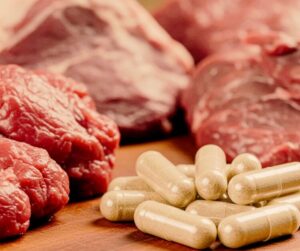
Another way to answer the question “does freeze drying remove nutrients?” is by comparing it to other common food preservation techniques.
Many preservation methods rely on heat or chemical processing to extend shelf life. While these approaches can make food stable for storage, they may also reduce certain nutrients during the process.
Freeze drying works differently. Because it removes moisture while maintaining the structure of the food, it helps preserve both nutrients and biological compounds that may be sensitive to heat or oxidation.
This is one reason freeze-dried foods are widely used in areas where nutrient preservation is especially important, such as:
The ability to maintain much of the food’s original composition makes freeze drying a valuable technique for preserving nutrient-dense ingredients.
For products like superfood supplements, this process helps maintain the nutritional integrity of the original ingredient while providing the convenience of a shelf-stable product.

So, does freeze drying remove nutrients? Scientific evidence suggests that it is actually one of the best ways to preserve them.
Freeze drying works by removing moisture at extremely low temperatures, which helps protect delicate vitamins, minerals, and bioactive compounds that could otherwise be damaged by heat-based processing. Because of this, freeze-dried foods and supplements often retain a large portion of their original nutritional value.
This is why freeze-dried superfoods—such as beef organ supplements and other nutrient-dense foods—have become so widely used. The process preserves their beneficial compounds while making them easy to store, transport, and consume.
In simple terms, freeze drying allows foods to maintain much of what makes them healthy in the first place. For people looking to access nutrient-dense foods in a convenient form, freeze-dried supplements offer a practical way to support overall nutrition without sacrificing the benefits of the original food source.
Statements regarding dietary supplements have not been evaluated by the FDA and are not intended to diagnose, treat, cure, or prevent any disease or health condition.
For most of human history, nothing went to waste. When ancient hunters brought down an animal, they didn’t just eat the muscle meat and walk

Nutrient supplements for mood support aren’t a fringe idea; supplements to help improve mood have become an increasingly evidence-backed piece of a broader approach to mental

Beef Organ Supplements for Women: Which Organs Matter Most for Women’s Health? If you’re new to nose-to-tail nutrition, one question comes up almost immediately: with

Are Beef Organ Supplements Good for You? Here’s What the Research and Ancestral Nutrition Say It’s a fair thing to wonder. Organ meat isn’t exactly
